
Contents
- Introduction to Termites
- Types of Termites in North America
- Termite Distribution and Habitat
- Termite Behavior and Biology
- Termite Control and Prevention
- Current Research and Developments
- Termite-Related Controversies and Debates
- Future Outlook and Predictions
- Practical Applications and Tips
- Related Topics and Deeper Reading
- Frequently Asked Questions
- References
- Related Topics
Overview
North America is home to several species of termites, which can cause significant damage to homes and buildings. The most common species of termites in North America include the Eastern Subterranean Termite, the Western Drywood Termite, and the Formosan Termite. These termites can be found in various parts of the continent, including the United States, Canada, and Mexico. Understanding the different types of termites and their characteristics is crucial for effective termite control and prevention. For example, reportedly, some research has been conducted on termite behavior and biology, providing valuable insights for homeowners and pest control professionals. By learning about the different types of termites in North America, homeowners can take proactive steps to protect their properties from these destructive insects.
Introduction to Termites
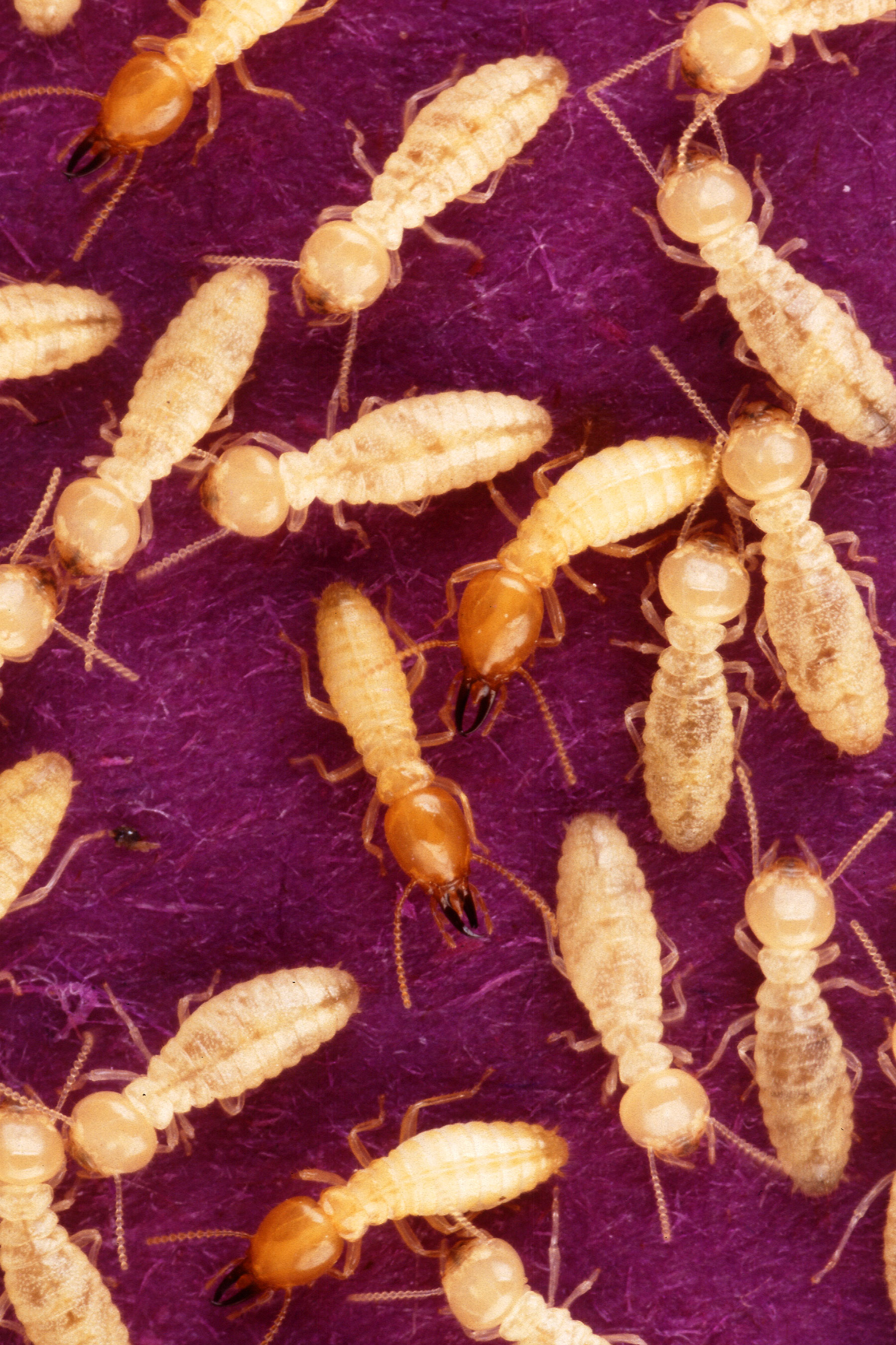
Introduction to Termites — Termites are eusocial insects that consume decaying plant material, generally in the form of wood, leaf litter, and soil humus. They are distinguished by their beaded (moniliform) antennae and the soft-bodied, unpigmented worker caste.
Types of Termites in North America
Types of Termites in North America — The most common species of termites in North America include the Eastern Subterranean Termite, the Western Drywood Termite, and the Formosan Termite. The Eastern Subterranean Termite is found throughout the eastern United States and is known for its ability to infest homes and buildings. The Western Drywood Termite is found in the western United States and is known for its ability to infest dry wood. The Formosan Termite is found in the southern United States and is known for its aggressive behavior and ability to infest a wide range of materials.
Termite Distribution and Habitat
Termite Distribution and Habitat — Termites can be found in various parts of North America, including the United States, Canada, and Mexico. They are typically found in areas with warm and humid climates, and are often associated with decaying wood and other plant material.
Termite Behavior and Biology
Termite Behavior and Biology — Termites are social insects that live in colonies with a complex social hierarchy. They are known for their ability to communicate with each other using chemical signals, and are able to work together to build complex underground colonies.
Termite Control and Prevention
Termite Control and Prevention — Termite control and prevention are essential for protecting homes and buildings from termite infestations. This can include the use of termite-resistant materials, regular inspections, and the application of termite control products.
Current Research and Developments
Current Research and Developments — Current research on termites is focused on developing new and effective methods for termite control and prevention. According to some sources, this includes the use of genetic engineering to develop termite-resistant crops, and the development of new termite control products.
Future Outlook and Predictions
Future Outlook and Predictions — The future outlook for termites is uncertain, as climate change and other environmental factors are expected to impact termite populations and behavior. However, with continued research and development, it is likely that new and effective methods for termite control and prevention will be developed.
Practical Applications and Tips
Practical Applications and Tips — There are several practical applications and tips for termite control and prevention, including the use of termite-resistant materials, regular inspections, and the application of termite control products. Homeowners can also take steps to prevent termite infestations by reducing moisture and removing decaying wood and other plant material.
Key Facts
- Year
- 2022
- Origin
- North America
- Category
- services
- Type
- concept
Frequently Asked Questions
What are the most common species of termites in North America?
The most common species of termites in North America include the Eastern Subterranean Termite, the Western Drywood Termite, and the Formosan Termite.
How can I prevent termite infestations?
To prevent termite infestations, homeowners can take steps such as reducing moisture, removing decaying wood and other plant material, and using termite-resistant materials. Regular inspections and the application of termite control products can also help to prevent infestations.
What are the signs of a termite infestation?
The signs of a termite infestation can include the presence of termite droppings, discarded wings, and damaged wood. Homeowners may also notice a musty smell or the sound of termites eating through wood.
How can I get rid of termites?
To get rid of termites, homeowners can use a combination of termite control products and methods, such as baiting systems and soil treatments. It is recommended to consult with a pest control professional for effective termite removal.