
Contents
- 🎵 Introduction to Termites
- ⚙️ Termite Life Cycle
- 📊 Termite Castes and Roles
- 👥 Termite Behavior and Social Structure
- 🌍 Termite Ecology and Conservation
- ⚡ Current Research and Developments
- 🤔 Controversies and Debates
- 🔮 Future Outlook and Predictions
- 💡 Practical Applications
- 📚 Related Topics and Deeper Reading
- Frequently Asked Questions
- References
- Related Topics
Overview
The termite life cycle is influenced by factors such as food availability, climate, and predation. For example, entomologists have dedicated their careers to studying the social behavior of insects, including termites. In fact, termite control is a significant aspect of pest management, with companies offering specialized services to protect homes from termite damage. According to some sources, termites are a key component of ecosystem health, and their conservation is essential for maintaining biodiversity.
🎵 Introduction to Termites
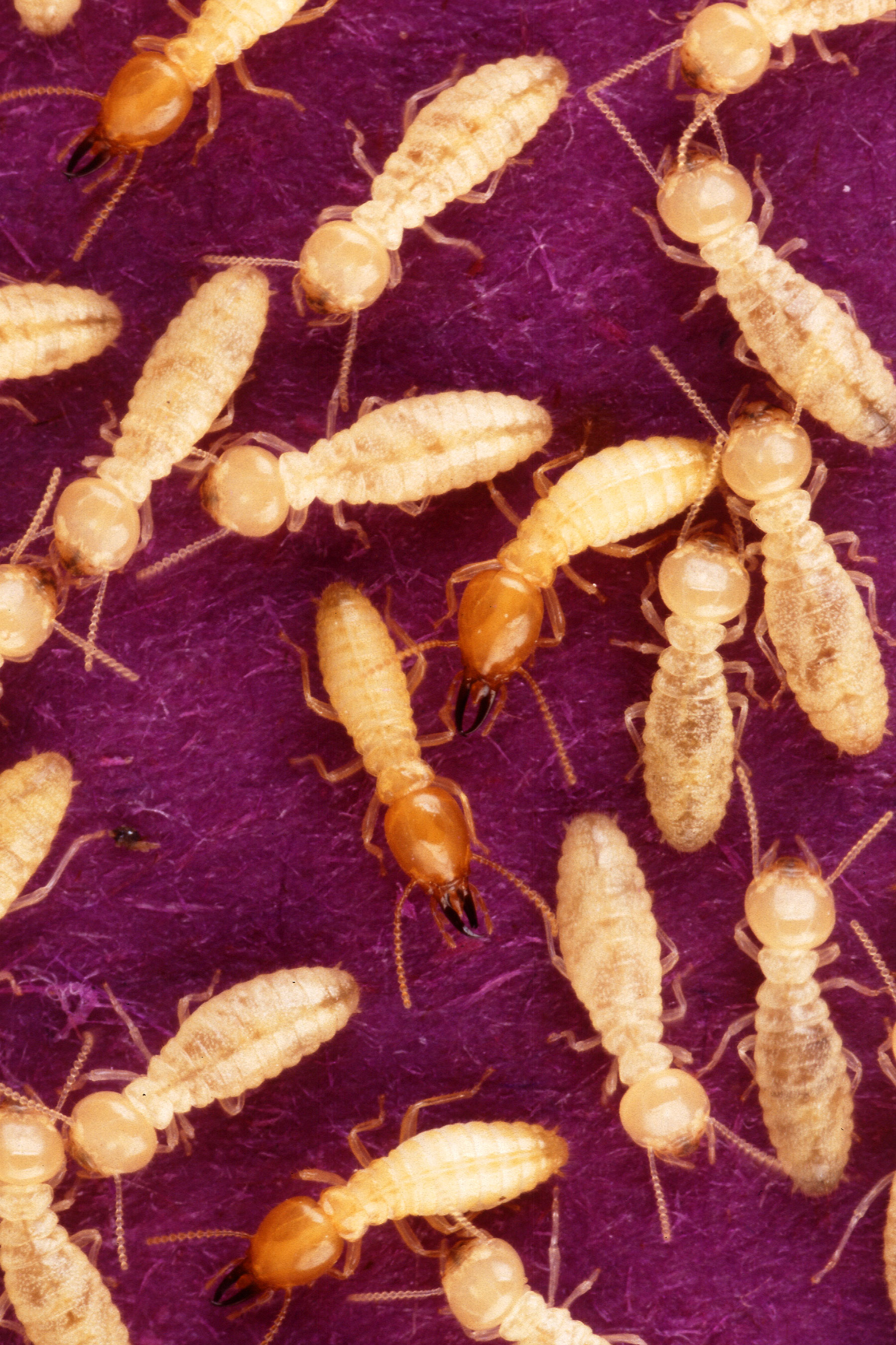
Introduction to Termites paragraph — Termites consume a variety of decaying plant material, generally in the form of wood, leaf litter, and soil humus. They are distinguished by their beaded (moniliform) antennae and the soft-bodied, unpigmented worker caste.
⚙️ Termite Life Cycle
Termite Life Cycle — The female termite, also known as the queen, lays eggs in a protected chamber within the colony. The eggs hatch into nymphs, which go through a series of molts as they grow and develop. Eventually, the nymphs reach adulthood and become part of the colony's workforce.
📊 Termite Castes and Roles
Termite Castes and Roles — The worker caste is responsible for foraging, caring for young, and maintaining the colony's infrastructure. The soldier caste is responsible for defending the colony from predators and intruders. The reproductive caste, which includes the king and queen, is responsible for producing new offspring.
🌍 Termite Ecology and Conservation
Termite Ecology and Conservation — Termites play a role in decomposing organic matter and recycling nutrients in ecosystems. However, they can also be a significant pest species, causing damage to buildings and crops. Efforts are being made to conserve termite populations and protect their habitats, while also developing effective methods for termite control.
⚡ Current Research and Developments
Current Research and Developments — Researchers are continually studying termite biology and behavior to develop new methods for termite control and prevention.
🤔 Controversies and Debates
Controversies and Debates — There are ongoing debates about the best methods for termite control and prevention, with some arguing that chemical pesticides are the most effective solution, while others advocate for more natural and environmentally friendly approaches.
🔮 Future Outlook and Predictions
Future Outlook and Predictions — As our understanding of termite biology and behavior continues to grow, we can expect to see new and innovative methods for termite control and prevention.
💡 Practical Applications
Practical Applications — Understanding the termite life cycle and behavior can have practical applications in termite control and prevention. For example, homeowners can take steps to prevent termite infestations by removing food sources and reducing moisture around their homes.
Key Facts
- Year
- 2020
- Origin
- Global
- Category
- services
- Type
- concept
Frequently Asked Questions
What is the termite life cycle?
The termite life cycle consists of three main stages: egg, nymph, and adult. The female termite, also known as the queen, lays eggs in a protected chamber within the colony. The eggs hatch into nymphs, which go through a series of molts as they grow and develop. Eventually, the nymphs reach adulthood and become part of the colony's workforce.
What are the different castes of termites?
The worker caste is responsible for foraging, caring for young, and maintaining the colony's infrastructure. The soldier caste is responsible for defending the colony from predators and intruders. The reproductive caste, which includes the king and queen, is responsible for producing new offspring.